Powell River Top General Contractor for Residential Projects
Powell River Top General Contractor for Residential Projects
Blog Article
General Contractor: Your Primary Expert for Home Work
A general contractor takes on a fundamental role in residential work. They direct various aspects of building, ensuring that processes function smoothly. Their expertise with construction codes and compliance requirements enables them to navigate the complexities of licensing and inspections. This experienced professional functions as a critical connection between clients and specialist contractors. However, many homeowners stay unsure about the full scope of their services. Knowing these details can greatly impact the triumph of any renovation effort.
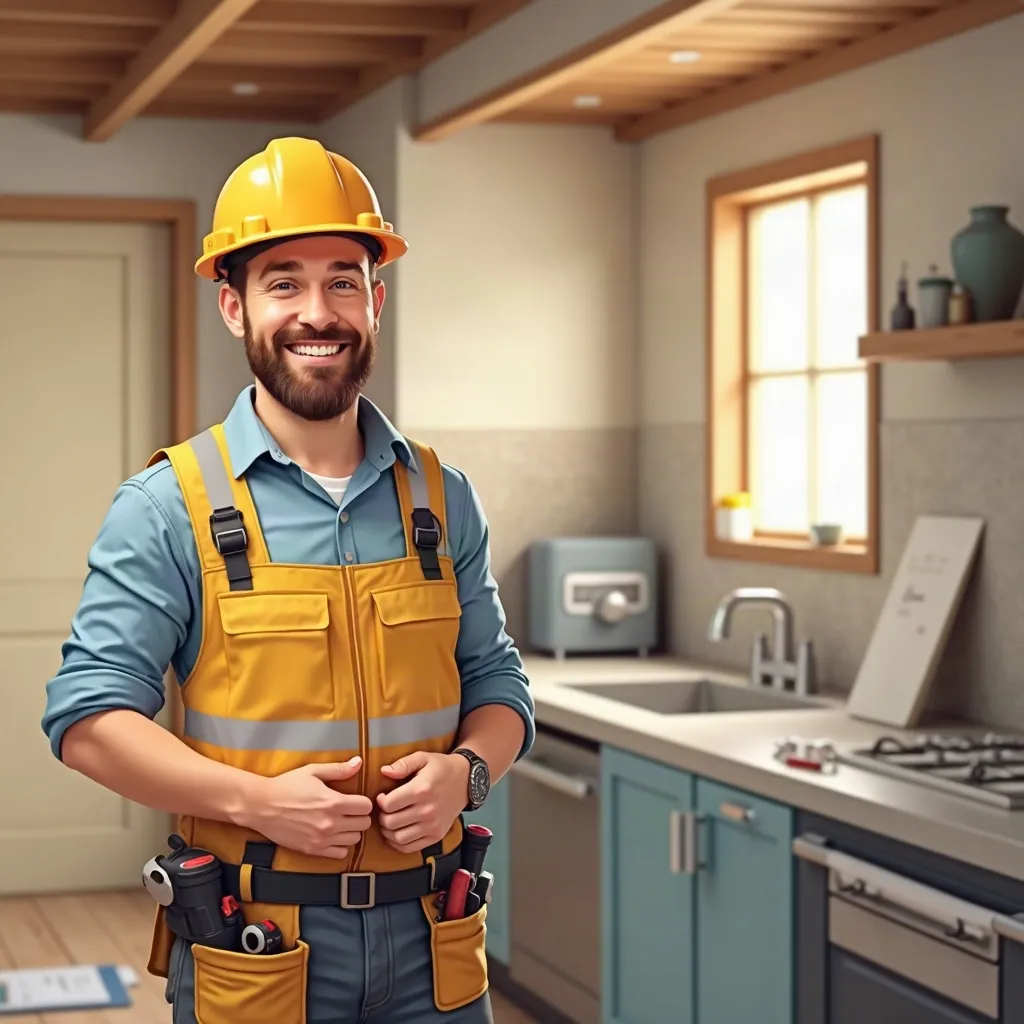
What Does a General Contractor Accomplish?
A construction manager orchestrates the different components of a construction project, guaranteeing that everything runs smoothly from beginning to end. They function as the main liaison, overseeing communication between customers, specialized contractors, and suppliers. This position includes planning the construction schedule, coordinating workforce, and ensuring compliance with regional construction standards and regulations.
General contractors are in charge of obtaining necessary permits and scheduling inspections, which are vital for maintaining safety and quality standards. They also manage budget planning, material procurement, and overseeing site operations to prevent any possible setbacks or complications. In addition, they oversee subcontractors, making sure that each phase of construction conforms to project specifications and timelines. Overall, a general contractor's expertise and organizational skills are crucial for completing a successful construction project, transforming a client's vision into reality while balancing multiple tasks and responsibilities.
Benefits of Employing a General Contractor for Home Remodeling
Engaging a a skilled builder for home renovations provides multiple perks that can significantly boost the quality and efficiency of the job. General contractors deliver knowledge in project management, guaranteeing that schedules are followed and resources are allocated effectively. Their solid connections with trade professionals can produce competitive pricing and outstanding quality, which in turn benefits property owners by reducing costs and time.
Moreover, construction managers oversee the intricate details of licensing and compliance, reducing potential legal issues. They also provide a single point of contact, simplifying communication and coordination among different contractors. This optimization decreases the likelihood of misunderstandings and delays.
Moreover, their background allows them to predict potential challenges, making possible proactive solutions to keep the project on track. By hiring a general contractor, homeowners can focus on their vision while gaining peace of mind, knowing that a professional is supervising every aspect of the renovation.
Clearing Up Myths Regarding General Contractors
Although many property owners may have erroneous ideas about general contractors, grasping the facts can lead to more informed decisions. A widespread myth is that hiring a general contractor is not essential for minor projects; still, their proficiency can streamline even minor renovations, ensuring compliance with local codes. Another frequent belief is that general contractors are just middlemen, but they often have extensive knowledge in different fields, allowing them to direct projects smoothly. Moreover, some clients assume that working with a contractor will greatly raise costs. In reality, a experienced general contractor can often obtain better deals for materials and labor through long-standing relationships with suppliers and subcontractors. Lastly, many think that contractors are unbending, but reliable contractors focus on client communication and work closely to satisfy specific needs. Clearing up myths can empower homeowners to harness the true value of general contractors when completing positive home projects.
How to Pick the Right General Contractor?
How can property owners ensure they choose the right general contractor for their jobs? The process begins with thorough research. Homeowners should seek recommendations from friends, family, and online reviews to find qualified contractors. Once a compilation is created, verifying qualifications, such as licensing, bonding, and insurance, is essential to confirm legitimacy.
Next, homeowners should ask for and examine collections of past projects, focusing on assignments of comparable size. Scheduling meetings allows property owners to assess fit, discussing timelines, budgets, and expectations. It's also recommended to obtain multiple quotes for comparison, providing a clear understanding of costs.
Reviewing references provides insight into a contractor's dependability and expertise. Ultimately, trusting one's instincts is important; an initial meeting can reveal much about a contractor's communication style and approach. By following these steps, homeowners can markedly increase their likelihood of picking a general contractor who suits their objectives and goals.
Effective Dialogue Strategies For Your General Contractor
What tactics can homeowners implement to ensure strong dialogue with their general contractor? Creating clear communication from the beginning is critical. Homeowners should explicitly state their desires, project aims, and spending restrictions during opening conversations. Ongoing reports can be promoted through organized gatherings, guaranteeing that both parties remain aligned throughout the project.
Leveraging documentation records, like emails or project logs, strengthens spoken arrangements and reduces confusion. Homeowners should equally support open dialogue by soliciting responses and inquiries from the contractor, building a cooperative environment.
In addition, harnessing technological tools, like project management find the information apps, can improve exchange of information by supplying a centralized platform for sharing updates, timelines, and changes. Finally, acting respectful and approachable can elevate camaraderie, allowing it less difficult for the contractor to articulate challenges or suggestions effectively. By applying these solutions, homeowners can build up a productive and forthright bond with their general contractor.
What Lies Ahead When Your Project Gets Started?
As the project launches, homeowners can anticipate a flurry of activity on-site. The project manager will coordinate teams of skilled tradespeople, such as electricians, plumbers, and carpenters, who will start their work according to the established timeline. Homeowners may observe equipment and supplies being delivered, generating a bustling environment.
Remaining in contact is essential during this phase. The contractor will share updates on how things are progressing and address any worries that emerge. Homeowners should ready themselves for likely disruptions, such as noise and restricted passage to particular areas of the home.
Safety measures will be in place to protect both workers and residents, confirming a secure space. Additionally, homeowners may be advised to maintain flexibility, as unexpected circumstances can arise, compelling adjustments to the original plan. Overall, this initial phase sets the stage for the successful completion of the project, and active engagement is essential.
Important Queries for Your Main Contractor Deal?
Identifying the correct questions to pose when concluding a general contractor agreement is crucial for ensuring a successful project. Homeowners should ask about the contractor's license and insurance to confirm their credentials and protection against liabilities. Understanding the project schedule and benchmarks is significant; therefore, asking about projected completion dates helps control expectations.
It is also vital to outline financial conditions, comprising deposit amounts and installment plans, to avert miscommunications. Homeowners should seek a detailed breakdown of fees, encompassing materials and services, to assure transparency. Moreover, deliberating the method for dealing with changes or unexpected complications can thwart conflicts in the future.
To wrap up, homeowners must look into information about subcontractors and their experience, as well as the contractor's communication strategy throughout the project. By tackling these questions, property owners can nurture a productive relationship with their primary contractor, ultimately enabling a successful home improvement project.
Popular Inquiries Posed Often
What Methods Do General Contractors Use to Invoice for Their Services?
General contractors typically charge via set fees, hourly rates, or a percentage of the total project cost. Their fee structure may further encompass supplies needed, labor, and indirect costs, depending on the level of complexity and project scope.
Can a General Contractor Assist With Permits and Inspections?
Yes, a general contractor can support securing permits and overseeing inspections. They routinely handle local codes and confirm adherence, making it easier for homeowners while enabling necessary authorizations throughout the construction undertaking.
What Qualities Should I Find in a General Contractor?
When designating a construction company, one should analyze professional attributes such as licensing, insurance, experience in relevant projects, positive references, and effective communication skills, confirming they possess the necessary expertise to manage the project as planned.
How much time Does a Typical Home Remodeling Project Take?
A everyday home renovation project can go anywhere from a few weeks to several months, subject to the extent, complexity, and size of the project, as well as the stock of materials and labor.
What Takes Place if My Initiative Overshoots Cost Allowance?
If a project exceeds the budget, the builder typically discusses the causes and alternatives with the homeowner. Changes may consist of scaling back, obtaining more funds, or revising the project scope to match financial limits.
Report this page